


Good design doesn’t just happen. It requires discipline, courage, and a willingness to ask uncomfortable questions. Sometimes, it even requires saying “no” when shortcuts or compromises threaten the integrity of a project. That unseen part of the job—guarding the design’s soul—is what matters most. Because if a building does not translate into longevity and sustainability, then, in my view, it is not humanitarian.
So, what compromises good design the fastest? In my experience, it is the temptation to prioritize speed over substance. When developers rush to meet deadlines or chase fleeting market trends, clarity is lost. A project may look fashionable at first, but without strong fundamentals, it will age poorly. As Chairman of Italpinas Development Corporation (IDC), the team and I have always resisted this temptation. We believe that design must be timeless, not trendy.
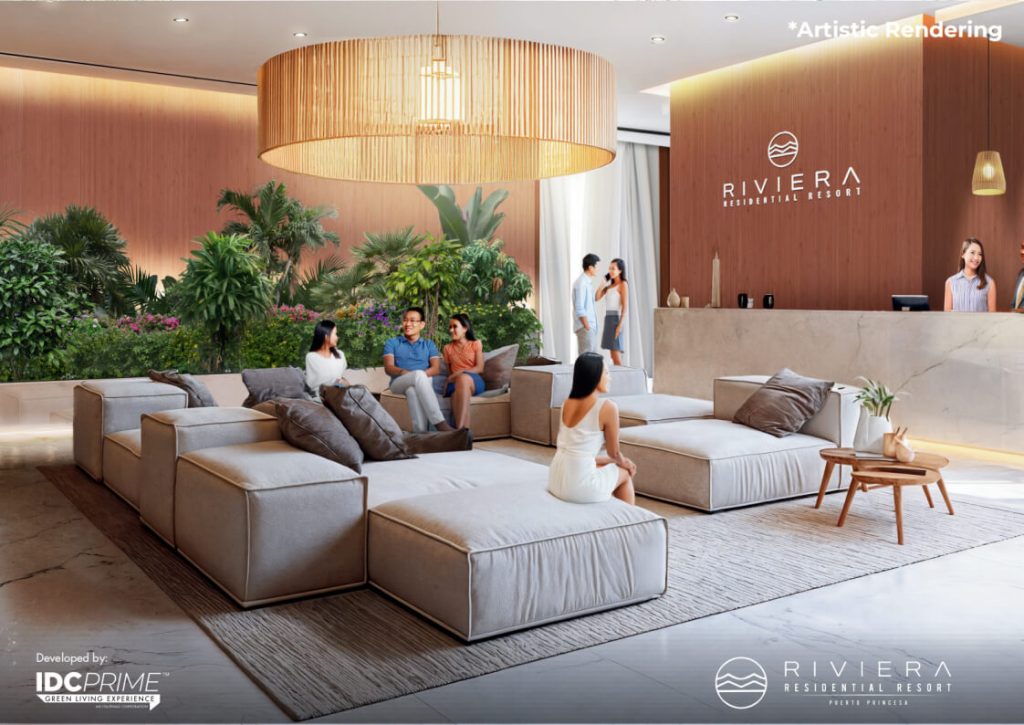
Another compromise comes from ignoring context. A building that disregards its environment (e.g., climate, culture, community) cannot truly serve its purpose. Sustainable architecture is not about imposing a universal template; it is about listening to the land and the people. Our projects in Cagayan de Oro, Batangas, and other emerging cities are proof that when design is rooted in local realities, it becomes both resilient and relevant.
Cost-cutting is also a dangerous compromise. Of course, budgets matter, but when savings come at the expense of structural integrity or environmental responsibility, the long-term consequences outweigh the short-term gains. A building that deteriorates quickly or consumes excessive energy is not only a financial burden but also a social one. That is why green solutions that save energy without raising costs are very vital.
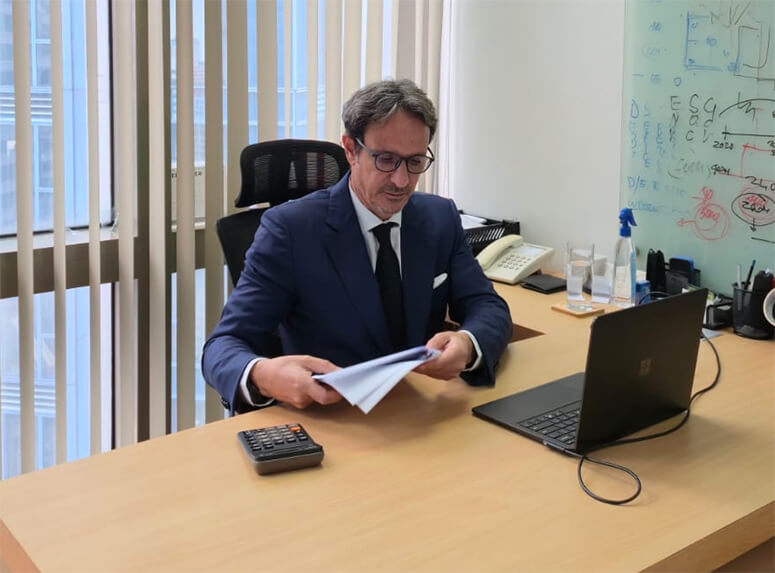
For me, good design is humanitarian because it improves everyday life. It is not about luxury for the few, but about dignity for the many. A well-designed community provides safety, comfort, and sustainability. It allows families to thrive, businesses to grow, and cities to evolve without sacrificing nature.
Looking ahead, I believe 2026 will be an exciting year for Philippine real estate. According to Colliers—one of the world’s leading professional services firms specializing in commercial real estate and investment management—the market is poised for growth, with net take-up continuing to improve, driven by outsourcing firms, traditional occupiers, and fewer surrenders. The retail sector remains resilient, with foreign brands expected to account for 75% of new mall supply in Metro Manila, while the industrial sector is set to expand, particularly in Central Luzon.
What excites me most is that cities outside Metro Manila are finally getting the attention they deserve. Colliers notes that Cebu and Pampanga will cover more than 50% of provincial office deals, while developers are expanding residential and retail footprints in Iloilo, Bacolod, and Davao. This validates IDC’s long-standing strategy of building in emerging cities, where growth is real and long-term value truly matters.
The outlook for 2026 is optimistic. Smarter design, greener solutions, and developments that genuinely improve everyday life are no longer niche ideas—they are becoming the standard. As the Philippine property market expands into new territories, the challenge will be to maintain integrity and sustainability amid rapid growth. That is where design leadership matters most.
As Chief Design Adviser, my commitment is to ensure our projects in Italpinas continue to embody clarity, purpose, and longevity. I will remain deeply involved in shaping communities that are not only beautiful but also sustainable, humanitarian, and future-ready.
The future feels optimistic, and as we move toward 2026, I am genuinely excited to keep building where it matters most—emerging cities that represent the real future of the Philippines.
#PropertyReportFeature
#FeaturedStory